

An ai photobooth for trade shows and conferences works best when it is treated as a lead-generation touchpoint, not just entertainment. AI photobooth: a branded capture station that uses generative AI, templates, QR delivery, and sharing tools to create personalized attendee images. Trade show: an organized industry event where companies showcase, demonstrate, and promote products. For corporate planners, Swissmoments connects this experience with event media planning, branded delivery, and attendee engagement.
What makes an AI photobooth work for trade shows and conferences?
An AI photobooth works at trade shows because it gives attendees a quick reason to stop, interact, and share branded content. Unlike a static giveaway table, the booth creates a personal output: an AI portrait, themed scene, avatar, or campaign visual.
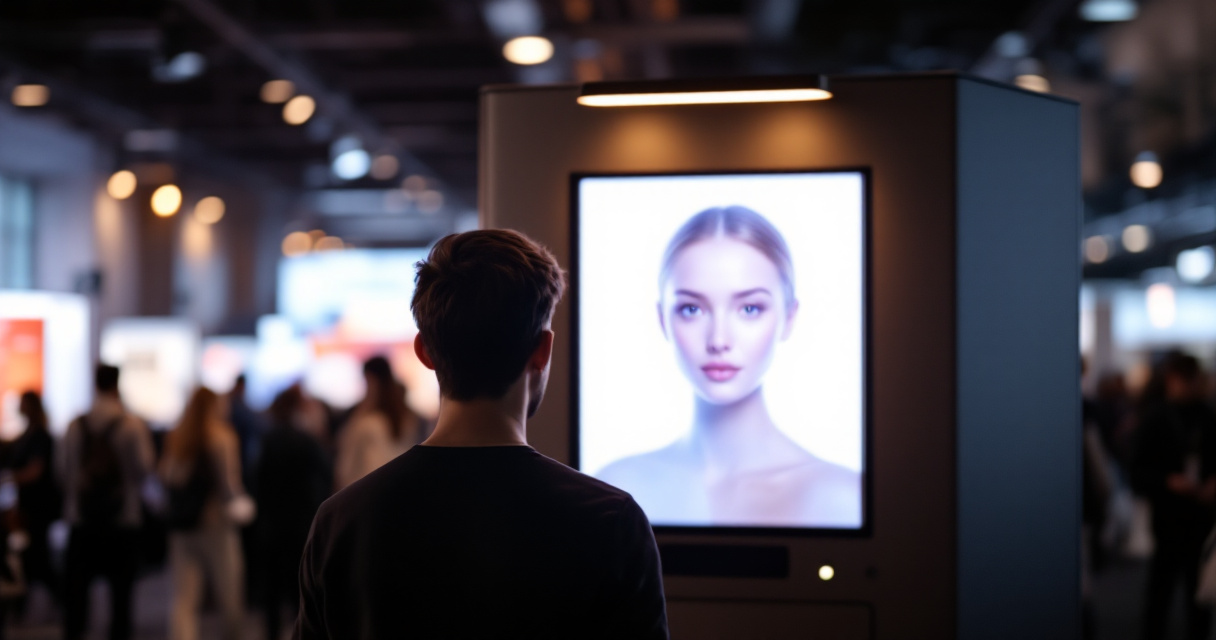
For 2026 events, the strongest use cases combine visual novelty, badge or QR capture, and sponsor branding. That matters because trade show visitors often move fast between stands, sessions, and networking meetings.
Key insight: the best booth experience is short enough for a busy aisle, but memorable enough to earn a follow-up conversation.
Brand teams should align the visual concept with campaign goals. A product launch might use futuristic AI scenes, while a financial conference may need polished executive portraits. For deeper brand planning, see Swissmoments' guide to branding through event photography.
Core capabilities planners should specify
Specify these features before asking vendors for proposals:
- Branded AI styles: product colors, sponsor logos, event themes, and compliant overlays.
- QR delivery: fast access without forcing staff to handle attendee phones.
- Lead capture fields: name, company, email, consent, and optional interest area.
- Social sharing: pre-written captions and event hashtags for organic reach.
- On-site moderation: review controls for brand safety and professional use.
These details prevent a fun activation from becoming disconnected from the wider content plan.
How should teams manage flow, footprint, and lead capture?
A high-performing AI booth needs a simple attendee flow: attract, scan, create, deliver, and qualify. The physical setup matters as much as the software because queues can block neighboring stands or discourage senior attendees.
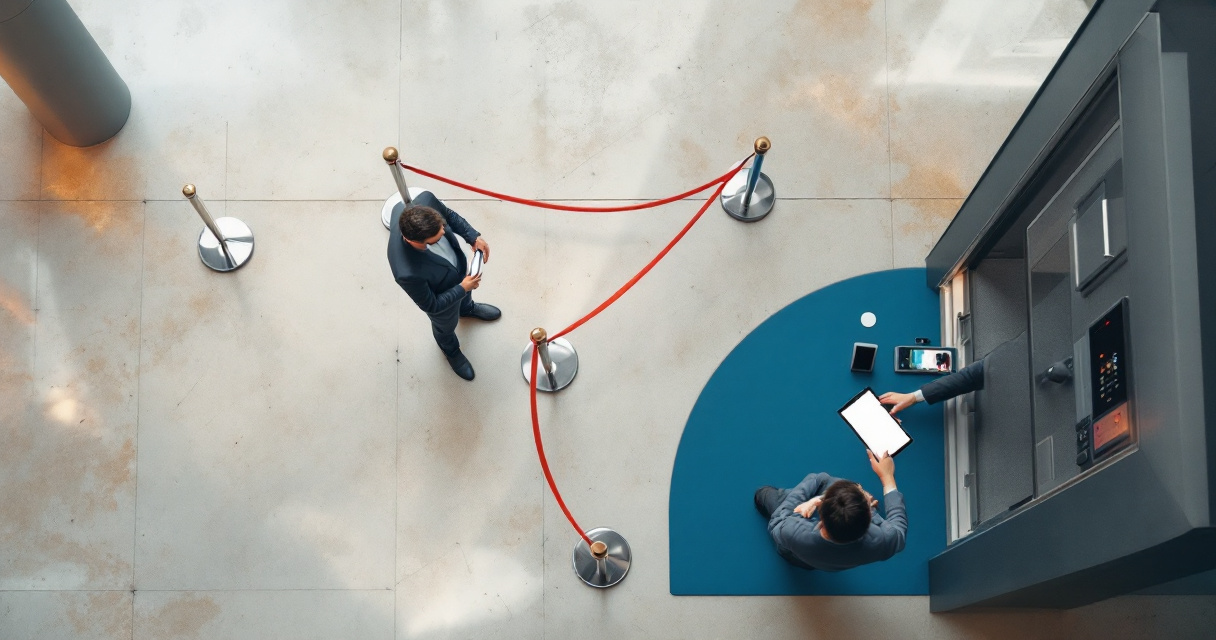
Place the booth where staff can greet visitors without creating pressure. A typical flow should separate waiting, capture, and exit areas. If the event also includes panels or keynote coverage, coordinate the schedule with your conference photography best practices so teams do not compete for the same attendee attention.
Qualified leads usually come from intent signals, not the photo alone. Ask one useful question during opt-in, such as product interest, buying timeline, or meeting preference.
Planning checklist for a high-traffic booth
Use this short checklist during venue planning:
- Confirm power, Wi-Fi, lighting, and minimum footprint with the organizer.
- Keep the capture process under one minute where possible.
- Use badge scan or QR opt-in before image delivery.
- Add clear consent wording for marketing follow-up.
- Assign one host to explain the concept and one person to manage flow.
- Prepare fallback branding if network speed drops.
A linked content plan helps too. Swissmoments' event content strategy playbook shows how booth assets can support follow-up emails, social posts, sales decks, and recap campaigns.
Which KPIs prove an AI photobooth generated value?
The right KPIs prove whether an AI photobooth created marketing value beyond footfall. Event teams should measure booth attraction, content engagement, lead quality, and post-event conversion signals.
Do not judge success only by the number of photos produced. A smaller number of opted-in, relevant prospects may be more valuable than a large set of anonymous images. For sponsor-funded activations, report both reach and pipeline-friendly metrics.
Swissmoments recommends agreeing on KPI definitions before the event, especially when several teams own the booth, CRM, social channels, and sponsor reporting. For branded setup ideas, compare your plan with photo booth branding for corporate events.
Measurement table for sponsors and sales teams
| KPI | What it shows | How to use it |
|---|---|---|
| Scans | Initial booth interest | Compare by hour, stand location, or session break |
| Completed photos | Experience completion | Spot friction in the capture flow |
| Shares | Organic content reach | Track hashtags, captions, and channel performance |
| Dwell time | Engagement depth | Improve staffing and booth layout |
| Opt-ins | Follow-up permission | Segment for email, sales, or sponsor outreach |
| Qualified leads | Commercial value | Route to CRM with product interest or meeting request |
Looking toward 2027, expect more integrations between AI booths, CRM systems, event apps, and personalized video follow-up. Teams already investing in corporate video content for marketing will have an advantage because they can turn booth interactions into longer campaign stories.
Conclusion
An ai photobooth for trade shows and conferences is most useful when it combines attendee experience, branded content, and measurable lead capture. Start with your campaign goal, map the booth flow, and define KPIs before booking equipment. To plan a polished Swiss event activation with Swissmoments, visit swissmoments.ch and brief your team on goals, audience, and follow-up workflow.
