

A branded photo booth can turn a few seconds of guest attention into content your team can reuse for weeks. In 2026, the best setups are less about props and more about brand consistency, consent, and shareable outputs, especially when using AI Photobooths in Events alongside wider event coverage.
Build the booth around your brand system, not just your logo
Many corporate teams still treat booth branding as a printed backdrop plus a logo overlay. That misses the bigger opportunity. Your booth should match the visual rules already used in branding through event photography and in your broader event media plan.
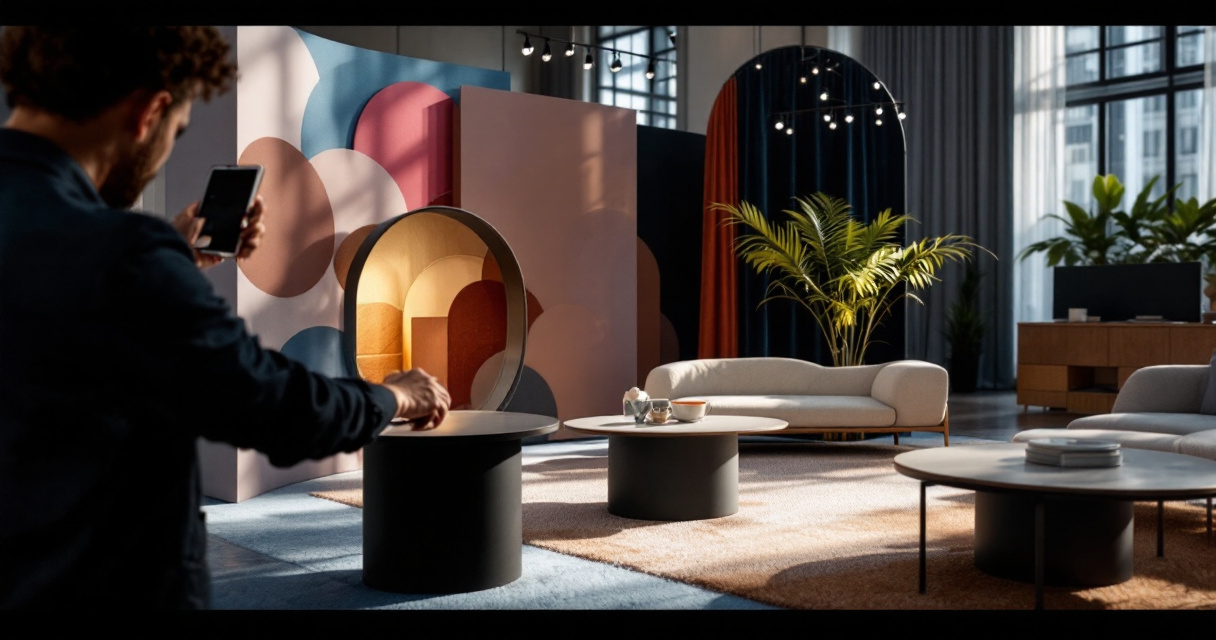
Brand elements that should be locked before production
| Element | What to define | Why it matters |
|---|---|---|
| Visual identity | Colors, fonts, logo safe zone | Keeps outputs on-brand |
| Experience design | Pose prompts, background style, props | Shapes the guest feeling |
| Output format | Print strip, GIF, portrait, short clip | Fits your channel plan |
| Data flow | QR delivery, gallery access, consent copy | Reduces friction and risk |
A better brief covers four layers: screen design, physical environment, output template, and sharing flow. That makes the booth feel like part of the event, not a rented add-on.
Key takeaway: if the photo looks branded only after the logo is added, the concept was too weak.
This matters more at conferences and launches, where every visual asset may end up in recap decks, sales follow-up, or social posts. If your team is also planning editorial coverage, align the booth with conference photography best practices so candid coverage and branded captures feel connected.
Brand elements that should be locked before production
Use one approval sheet covering booth UI, backdrop, print layout, and delivery screen. That small step prevents the common problem of three different brand versions appearing across the same event.
Design for content reuse, because one-night activations are too expensive
The smartest branded booths now support content reuse across channels. A guest portrait can become event recap imagery, employee advocacy content, or part of a campaign follow-up. That is where a booth starts earning budget.
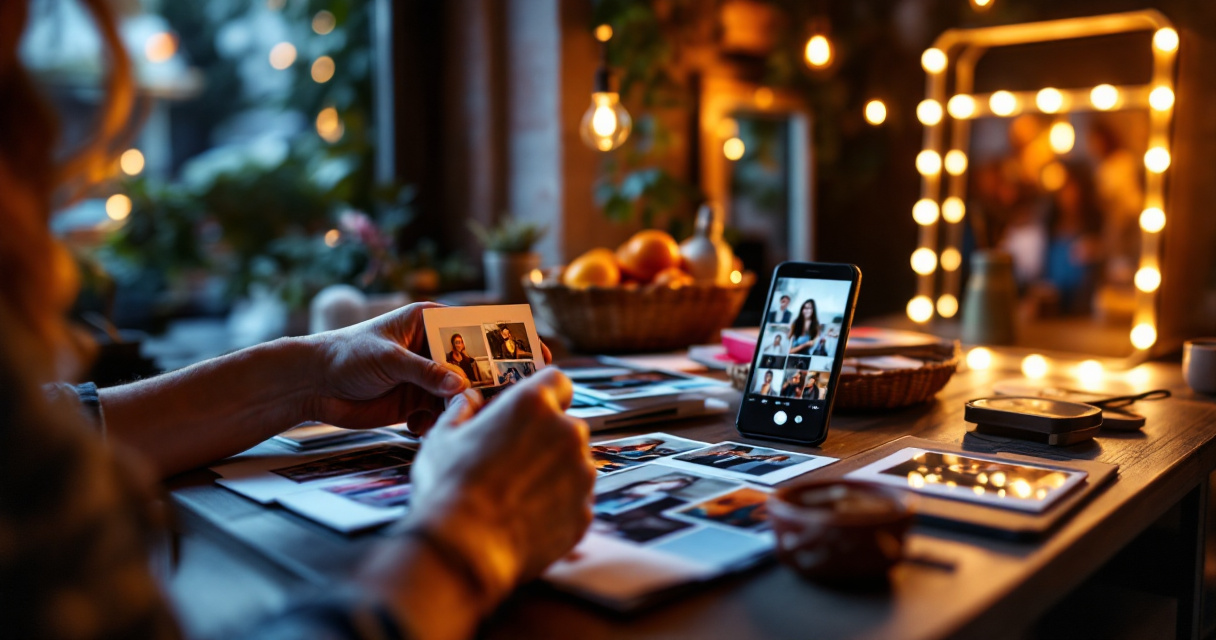
Outputs worth planning before the event opens
- Instant guest share assets for QR download or email delivery
- Press-ready selects with clean branding and minimal visual clutter
- Sales follow-up visuals tied to sponsor or product zones
- Short-form motion assets if the booth captures loops or clips
Competitor pages talk a lot about "fun," but not enough about workflow. Your marketing team needs files that can sit beside corporate video content for marketing and a full event media production agency in Switzerland deliverable, not separate from them.
Research also points toward more immersive formats. A 2021 review in Food Research International examined virtual reality use in consumer settings and described growing interest in immersive experiences and future applications, which supports the move toward richer branded environments rather than static booths alone (Wang, Escobar, and Alves Da Mota, 2021). Using AI Photobooths in Events can help here by producing flexible outputs without rebuilding the full activation each time.
Outputs worth planning before the event opens
Set naming rules, file sizes, and brand-safe crops before guests arrive. Your post-event team will thank you when assets are ready for sales decks and social edits within hours, not days.
Protect trust as AI and synthetic media become part of live events
Branding now has a trust layer. If you use AI styling, face swaps, or generative scenes, guests should know what is being created and how the files will be used. That is not just a legal question, it is a brand perception question.
2026 rules for responsible branded booth experiences
- State clearly when AI-generated backgrounds or effects are used
- Keep consent language visible at capture and delivery
- Avoid deceptive edits in executive or press-facing content
- Separate playful outputs from official event documentation
A 2022 paper in the Journal of Business Research reviewed deepfakes, deception risks, and mitigation options, making it highly relevant for brands adding synthetic media to event content (Mustak, Salminen, and Mäntymäki, 2022). A 2024 MIT Press book on digital resistance also reflects rising public awareness of how algorithmic systems shape media experiences (Bonini and Treré, 2024).
That is why the AI Photobooths in Events platform works best when paired with transparent messaging and clear event goals. For teams planning launch coverage, connect booth assets with AI photo booth strategy for corporate events and corporate event photography in Switzerland.
2026 rules for responsible branded booth experiences
Guests accept creative edits more easily when brands explain them upfront. Hidden manipulation may create friction, especially at executive events, media activations, and employer-branding campaigns.
Conclusion
Good photo booth branding is part design system, part content workflow, and part trust strategy. If you want branded captures that actually support marketing goals, start with a clear brief and build around AI Photobooths in Events or speak with the team via the Swiss Moments contact page to plan a smarter activation.
