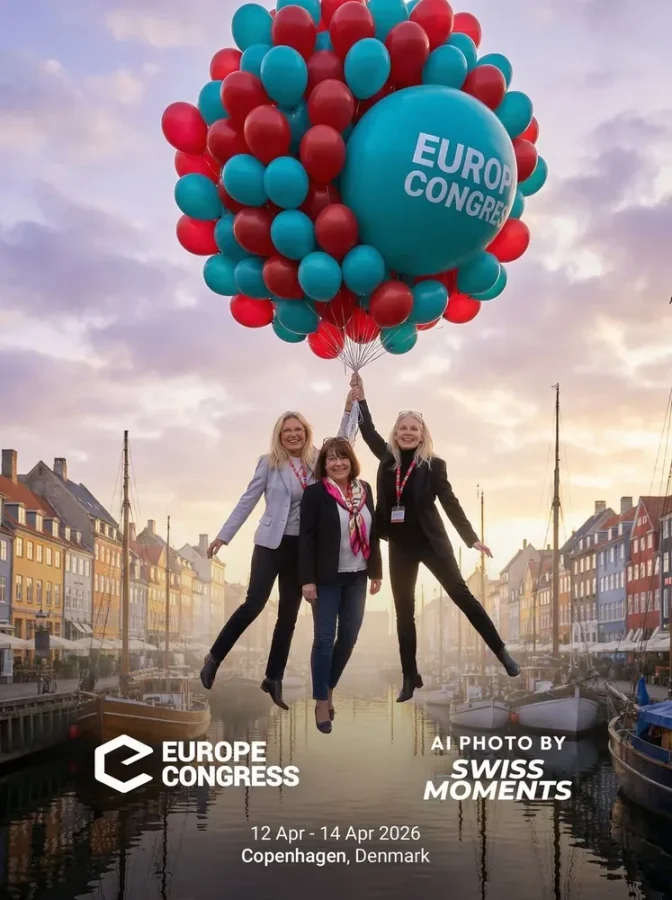

A single strong photo from a conference can drive weeks of marketing content. Event organizers use these images for press releases, social media, internal reports, and future promotions. Poor coverage, on the other hand, leaves you with empty seats and blurry podium shots.
Conference photography is not just documentation. It is strategic storytelling that captures speakers, networking moments, brand presence, and audience energy. Agencies and event teams increasingly combine professional coverage with interactive tools like AI Photobooths in Events to generate additional branded content in real time.
The practices below help marketing teams and event planners ensure every conference delivers visual assets that are usable, consistent, and aligned with brand goals.
Start With a Clear Conference Photography Strategy
Many conference photo problems begin before the camera comes out. Without a plan, photographers capture random scenes instead of images that marketing teams can actually use.
A clear strategy aligns photography with event goals. Product launches require different visuals than leadership summits or networking conferences. Decide early which stories the images should tell.
Key Shot Categories Every Conference Should Capture
| Shot Type | Purpose | Typical Use |
|---|---|---|
| Keynote speaker images | Highlight authority and expertise | PR articles, event recaps |
| Audience engagement | Show attendance and energy | Social media promotion |
| Networking moments | Humanize the event experience | Marketing campaigns |
| Branding and signage | Reinforce sponsors and partners | Sponsor reporting |
| Behind‑the‑scenes moments | Add authenticity | Internal communication |
Build a Shot List Before the Event
A shot list ensures coverage of every important moment. It also helps photographers move efficiently across large venues.
Typical conference shot list elements include:
- Opening keynote speaker
- Full audience wide shot
- Breakout session interactions
- Sponsor booths and branding
- Speaker and attendee networking
- Team photos of organizers
Event teams often underestimate how useful structured shot lists are. Without them, key sessions or sponsor visuals may be missed.
Well‑planned conference photography focuses on storytelling rather than random documentation.
Interactive content should also be considered early. Many events now include experiential photo activations such as branded selfie stations or AI Photobooths in Events, which generate instant shareable images for attendees.
Use Camera Settings Designed for Indoor Conference Lighting
Conference venues are challenging environments. Lighting changes constantly between stages, networking areas, and hallways. Strong camera settings help maintain consistency.
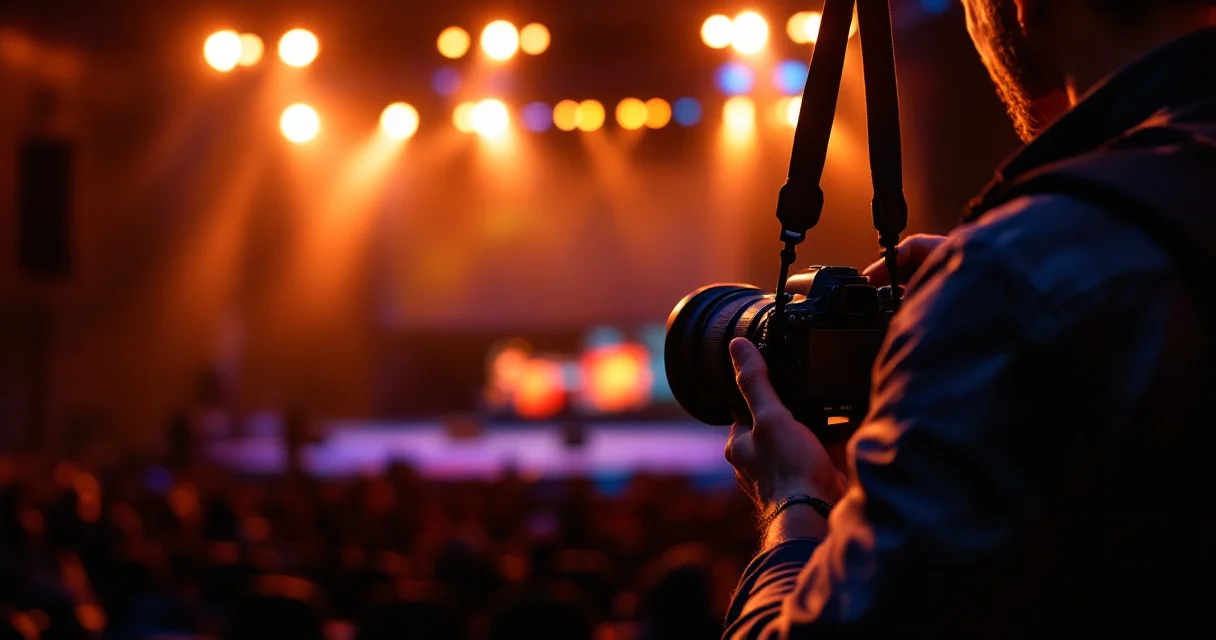
Many professional event photographers rely on aperture priority mode with controlled ISO levels to adapt quickly as lighting shifts.
Typical Camera Settings for Conference Photography
| Setting | Recommended Range | Why It Works |
|---|---|---|
| Aperture | f/2.8, f/4 | Keeps subjects sharp while softening backgrounds |
| Shutter Speed | 1/125, 1/250 | Prevents motion blur during presentations |
| ISO | Auto ISO with limits | Handles changing indoor lighting |
| File Format | RAW | Allows flexible editing afterward |
Lighting Techniques That Improve Conference Images
Indoor conference lighting often mixes stage spotlights with dim audience areas. A few adjustments can prevent harsh or flat images.
- Avoid direct flash when speakers are presenting
- Use bounce flash during networking sessions
- Position yourself at angles that use stage lighting effectively
- Monitor color temperature when LED screens are present
Many experienced photographers prefer minimal flash during talks. Natural stage lighting often produces more professional images when exposure is balanced correctly.
Another useful technique is anticipating moments rather than reacting. Speakers gesture during key statements, which creates more dynamic photographs than static podium shots.
Capture the Full Story of the Event, Not Just the Stage
Conference photography often focuses too heavily on speakers. While keynote images matter, the real story of an event happens across the entire venue.
Marketing teams need visuals that show participation, networking, and atmosphere. These moments make the event look vibrant and worth attending.
Essential Conference Moments to Document
- Attendees arriving and checking in
- Registration desk interactions
- Audience reactions during presentations
- Informal networking between sessions
- Sponsor or exhibitor engagement
- Social gatherings or evening receptions
These photos help brands promote future events because they show real experiences rather than staged scenes.
Balance Wide Shots and Close Details
Wide venue shots communicate scale. Close‑ups capture emotion. Combining both creates a strong visual narrative.
Examples include:
- Wide shots of packed auditoriums
- Close‑ups of attendees taking notes
- Detail shots of branded materials
- Speaker interactions with audience members
Conference photography should show how the event felt, not just what happened on stage.
Interactive experiences also play an important role in storytelling. Many organizers use installations such as the AI Photobooths in Events platform to encourage attendees to create personalized photos. These images often spread across social media during the conference itself, expanding reach beyond the venue.
Stay Invisible While Capturing Authentic Moments
Professional conference photographers know when to blend into the background. Intrusive movement or excessive flash can distract speakers and attendees.
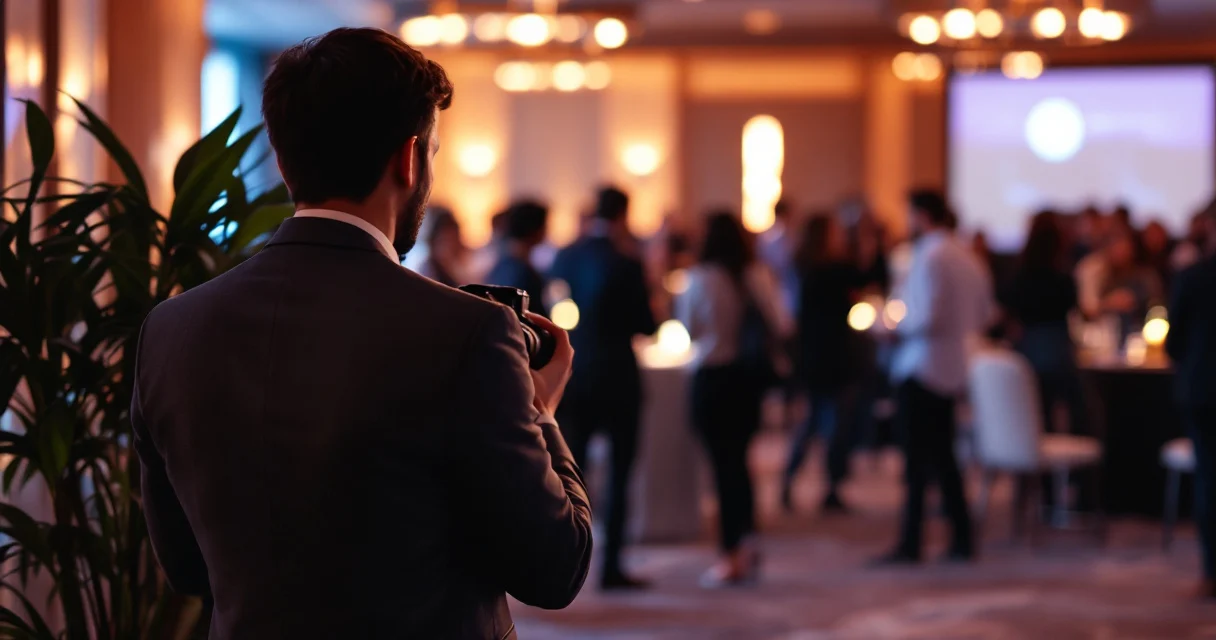
Discretion improves both the atmosphere of the event and the quality of the photos.
Techniques for Low‑Profile Event Coverage
- Move between sessions during applause or transitions
- Use silent shutter modes when possible
- Avoid standing directly in front of audience members
- Wear neutral clothing to blend into the environment
Quiet movement is especially important during keynote speeches or panel discussions where audience attention must stay on the stage.
Background Awareness Improves Image Quality
Conference venues often contain distracting elements such as exit signs, cables, or cluttered signage. Paying attention to the background prevents visual noise.
Common fixes include:
- Changing angle to avoid bright screens behind speakers
- Aligning subjects with clean branded backdrops
- Positioning attendees against architectural features
A small shift in perspective can dramatically improve composition. Experienced event photographers constantly scan the frame before pressing the shutter.
Event activations should also be photographed strategically. Interactive stations like AI Photobooths in Events generate natural smiles and candid moments that traditional posed photos rarely capture.
Turn Conference Photos Into Long‑Term Marketing Assets
Great conference photography continues delivering value long after the event ends. Marketing teams reuse images across campaigns, reports, and future event promotions.
Without a content plan, many valuable images stay unused.
Where Conference Photos Deliver the Most Value
| Channel | Example Usage |
|---|---|
| Social media | Live event updates and post‑event highlights |
| Event recap blogs | Visual storytelling and engagement |
| Sponsor reports | Demonstrating brand exposure |
| Email marketing | Promoting next year's conference |
| Press coverage | Media announcements or partnerships |
Organize Images Immediately After the Event
Efficient asset management makes images easier to reuse later.
Recommended workflow:
- Sort photos by session or theme
- Tag images with speaker names and topics
- Select highlight images for quick marketing use
- Archive full galleries for future campaigns
Many agencies now combine traditional photography with instant attendee content. For example, branded photo experiences created through AI Photobooths in Events provide ready‑to‑share visuals that marketing teams can distribute within minutes.
Conferences produce hundreds of potential marketing assets. The teams that organize them well gain months of reusable content.
Conclusion
Strong conference photography requires planning, technical skill, and a clear storytelling mindset. When photographers capture speakers, attendees, and interactive experiences together, the final gallery becomes a powerful marketing toolkit rather than simple event documentation.
Corporate event teams increasingly combine professional coverage with experiential photo activations to expand engagement. Solutions such as AI Photobooths in Events add a second layer of content creation by encouraging attendees to produce branded images that spread across social platforms in real time.
If your organization is planning a conference, product launch, or corporate event, consider how photography will support marketing long after the venue closes. Start with a strategic shot list, invest in experienced event photographers, and integrate interactive content experiences that keep audiences sharing your brand story.
Generated by EarlySEO.com