

A brand activation can last a few hours, but the right images can power campaigns for weeks. Event photography is the practice of photographing guests and key moments at an event, while marketing activation is the execution stage of the marketing mix, based on Wikipedia definitions. For brands using AI Photobooths in Events, that mix now includes not just documentation, but shareable content built for post-event marketing and measurement.
Plan the shot list around brand proof, not just event coverage
Most weak activation galleries fail for one reason: they document attendance, but not brand impact. Competitor pages talk about "capturing moments," yet they rarely explain what marketing teams actually need after the event, such as sponsor visibility, guest interaction, product handling, and crowd energy.
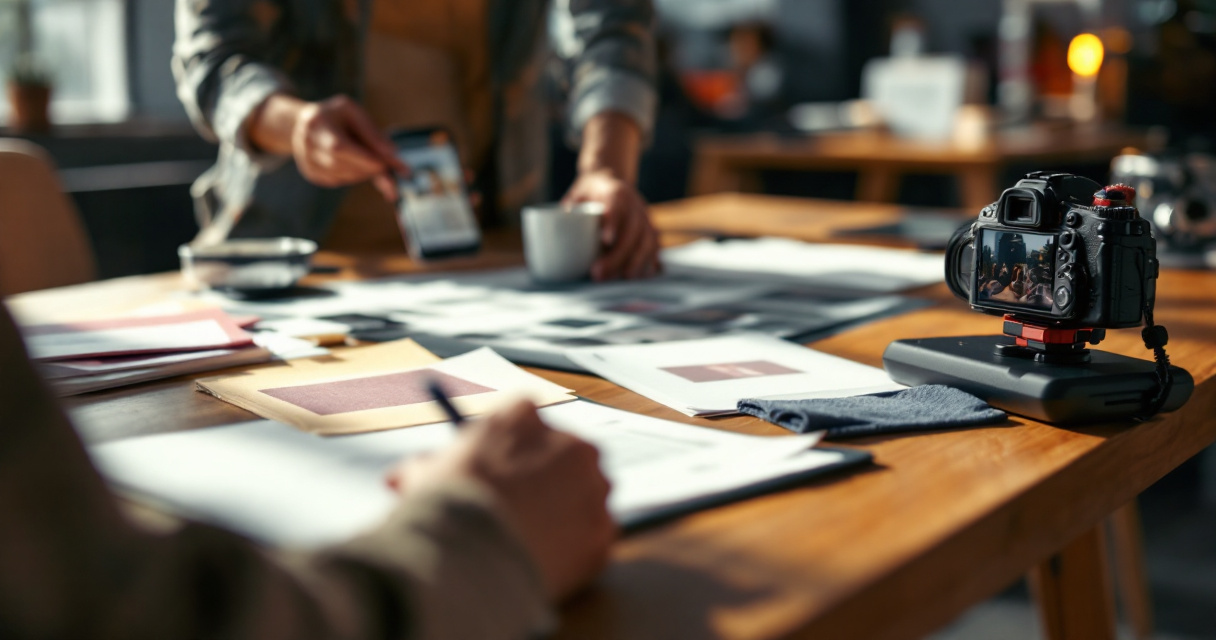
For brand activations, the brief should follow campaign goals first, then photography logistics.
A practical plan usually includes:
- Wide shots that show turnout and set design
- Mid shots of guests interacting with products or staff
- Tight shots of branded details, signage, and giveaways
- Reaction images that show emotion, curiosity, or participation
- Executive and partner moments for PR use
Teams running launches or conferences should also align photography with their wider media stack. If you already produce corporate video content for marketing or work with an event media production agency in Switzerland, your photographer should shoot with those downstream uses in mind.
H3: A simple pre-event capture framework
| Asset type | Why it matters | Best use |
|---|---|---|
| Venue wide shots | Proves scale and setup quality | Reports, sales decks |
| Guest interaction photos | Shows real engagement | Social, case studies |
| Branded close-ups | Reinforces recall | Ads, landing pages |
| Team and VIP images | Supports PR and employer brand | Press, LinkedIn |
Use lighting and formats that protect the brand on site
Technical choices shape how polished your activation looks online. Wikipedia describes flash as a brief burst of light at about 5500 K, mainly used to illuminate dark scenes. That matters at activations because poor light can flatten branding, distort product color, or make a premium experience look cheap.
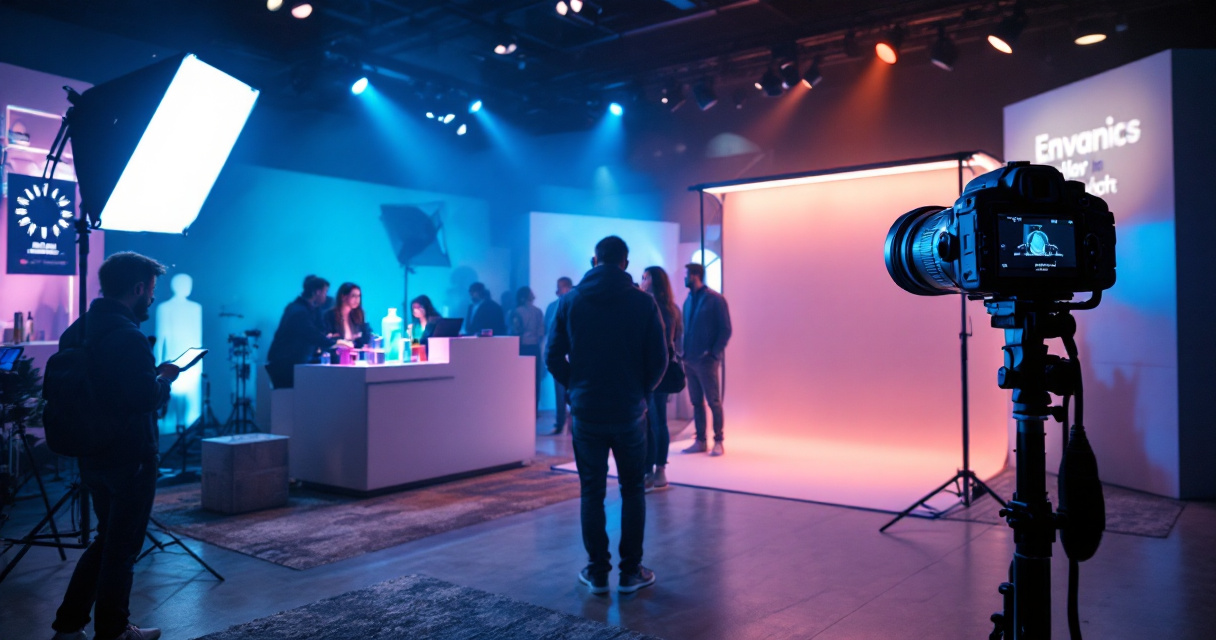
Good event photographers balance ambient light, flash, and shutter speed so logos stay readable and people look natural. That's especially important for mixed spaces, such as expo halls, hotel ballrooms, or evening pop-ups. If your event includes speakers, staged moments, or fast guest flow, these conference photography best practices also apply.
The format mix matters too. Horizontal images still work for press and web headers, but vertical crops are now essential for Stories, Reels covers, and paid social placements in 2026. Brands investing in branding through event photography should ask for both orientations during live coverage.
H3: What a photographer should protect during capture
- Accurate brand colors on signage and products
- Clean backgrounds around sponsor marks
- Natural skin tones under changing light
- Fast delivery of hero images for same-day posting
- Enough negative space for text overlays and ads
Turn live photos into measurable marketing assets after the event
The activation is only the first half of the job. Your image set should feed reporting, sales enablement, organic social, paid retargeting, and internal communications. That is where a curated workflow beats a giant folder of random edits.
A smart post-event package usually groups assets by use case: social-first selects, PR-ready files, sponsor proof, leadership images, and evergreen brand visuals. For experiential formats, using AI Photobooths in Events can add instant guest-generated content that complements the photographer's polished hero shots. Swiss Moments also covers this in its guide to AI photo booths for corporate events and broader corporate event photography in Switzerland.
In 2026, the best activation photography is captured for reuse, not just for memory.
Looking ahead to 2027, expect more clients to request hybrid galleries, with editorial-style images, instant branded portraits, and faster tagging workflows from the AI Photobooths in Events platform.
H3: Post-event deliverables worth requesting
| Deliverable | Why brands need it |
|—|—|—|
| 20 hero edits in 24 hours | Keeps post-event momentum alive |
| Categorized gallery | Speeds up team access |
| Social crops | Reduces design time |
| Sponsor-proof selects | Helps renew partnerships |
Conclusion
Brand activation photography works best when it's planned as a marketing asset pipeline, not a gallery dump. If you want a cleaner mix of live coverage, branded portraits, and instant guest sharing, start with AI Photobooths in Events and contact Swiss Moments before your next launch.
