

Great events disappear in hours, but the photos last for years. That is why professional planners rely on structured photography checklists to capture the right moments, not just random snapshots. A checklist is a job aid designed to reduce mistakes and compensate for human memory limits during complex tasks, according to the definition described on Wikipedia. For corporate launches, conferences, or brand activations, that structure is essential. Modern event coverage also includes interactive elements such as AI Photobooths in Events, which create instant shareable content and boost attendee engagement. The guide below walks through a practical event photography checklist designed specifically for planners who want reliable coverage and strong visual assets after the event.
Start With Clear Event Photography Objectives
Many photography problems start before the first photo is taken. When planners fail to define goals, photographers guess what matters. A clear brief prevents missed shots and ensures visuals support marketing, PR, and internal communication needs.
Corporate events usually serve multiple audiences: sponsors, leadership teams, attendees, and marketing departments. Your checklist should reflect those priorities before the event begins.
A structured planning framework improves outcomes in complex projects, according to research on intervention planning published in the BMJ by Skivington and colleagues (2021). Careful planning stages reduce gaps during execution. Study reference
Core Objectives Event Planners Should Define
- Marketing assets for social media and future campaigns
- Documentation for sponsors and partners
- Brand visibility throughout the venue
- Speaker and leadership highlights
- Audience engagement and networking
Example Event Photography Goal Framework
| Objective | Example Photo Types | Primary Use |
|---|---|---|
| Brand promotion | Logo walls, signage, product displays | Marketing campaigns |
| Audience engagement | Networking, crowd reactions | Social media content |
| Sponsor visibility | Booth activations, product interactions | Sponsor reports |
| Event documentation | Keynotes, panels, awards | Internal reporting |
Planning teams that define these goals early make it easier for photographers and production partners, including agencies like Swiss Moments visual event team, to deliver exactly what stakeholders expect.
Essential Shot List Every Event Planner Should Prepare
A shot list translates event goals into specific images. It prevents missing key content such as sponsor branding or executive appearances.
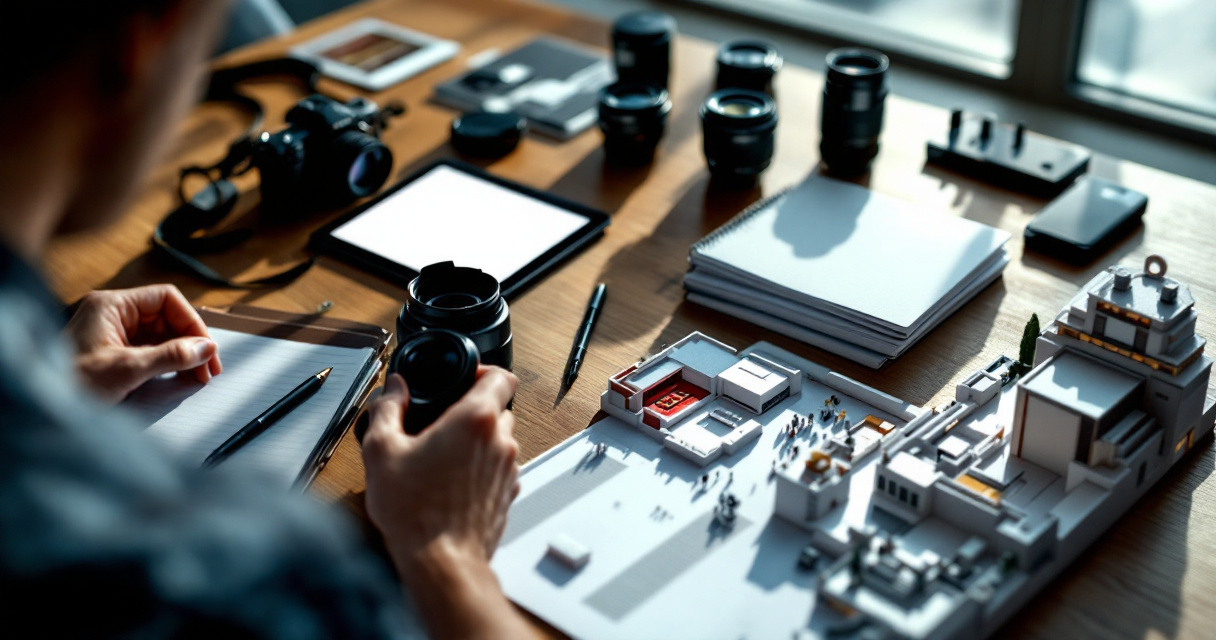
Many planners rely on photographers to decide what to capture, but experienced teams prepare a collaborative shot list before the event day.
Must-Have Event Photography Shots
- Venue establishing shots before guests arrive
- Exterior location photos showing signage and entrance
- Registration and guest arrivals
- Branding elements such as banners, stage graphics, and logos
- Speakers and panel discussions
- Audience reactions and crowd energy
- Networking and candid interactions
- Sponsor activations or product displays
- VIPs, executives, or keynote speakers
- Closing moments and highlights
These images form the core visual story of the event. They help marketing teams produce recap posts, PR releases, and sponsor reports.
Shot Categories That Improve Event Coverage
| Category | What to Capture | Why It Matters |
|---|---|---|
| Atmosphere | Lighting, décor, venue layout | Shows scale and design |
| People | Attendees interacting | Humanizes the event |
| Branding | Sponsor signage, product displays | Valuable for partners |
| Key moments | Awards, speeches, launches | Event highlights |
Interactive installations also belong on the shot list. Many brands now integrate experiences like AI Photobooths in Events to generate instant photos, branded overlays, and social-ready images during the event itself.
Logistics Planners Must Coordinate With the Photographer
Even the best shot list fails without strong logistical planning. Photographers need clear access, timing, and technical details before the event starts.
Professional coverage requires coordination with venue managers, lighting teams, and stage production. Without that preparation, photographers may struggle with dark lighting or blocked views.
Key Information to Include in Your Photography Brief
- Full event schedule and run-of-show
- Venue layout or floor plan
- List of VIPs and speakers
- Sponsor priorities and deliverables
- Stage lighting or AV details
Providing these details early improves efficiency. Research on planning frameworks in complex interventions highlights how structured preparation improves coordination between multiple teams, according to Skivington et al. (2024) in the International Journal of Nursing Studies. Research overview
Practical Coordination Checklist
| Planning Item | Why It Matters |
|---|---|
| Access badges for photographers | Prevents delays entering restricted areas |
| Stage lighting confirmation | Ensures correct camera settings |
| Priority guest list | Guarantees key people are captured |
| Reserved photographer positions | Avoids blocked sightlines |
If your event includes interactive elements such as photobooths or branded activations, photographers should know their location. When planners coordinate installations like AI Photobooths in Events, photographers can capture both the experience and the resulting guest engagement.
Plan for Guest Engagement and Shareable Content
Event photography no longer ends when the camera shutter closes. Modern events rely on content that guests can share instantly, especially on LinkedIn, Instagram, and internal company channels.
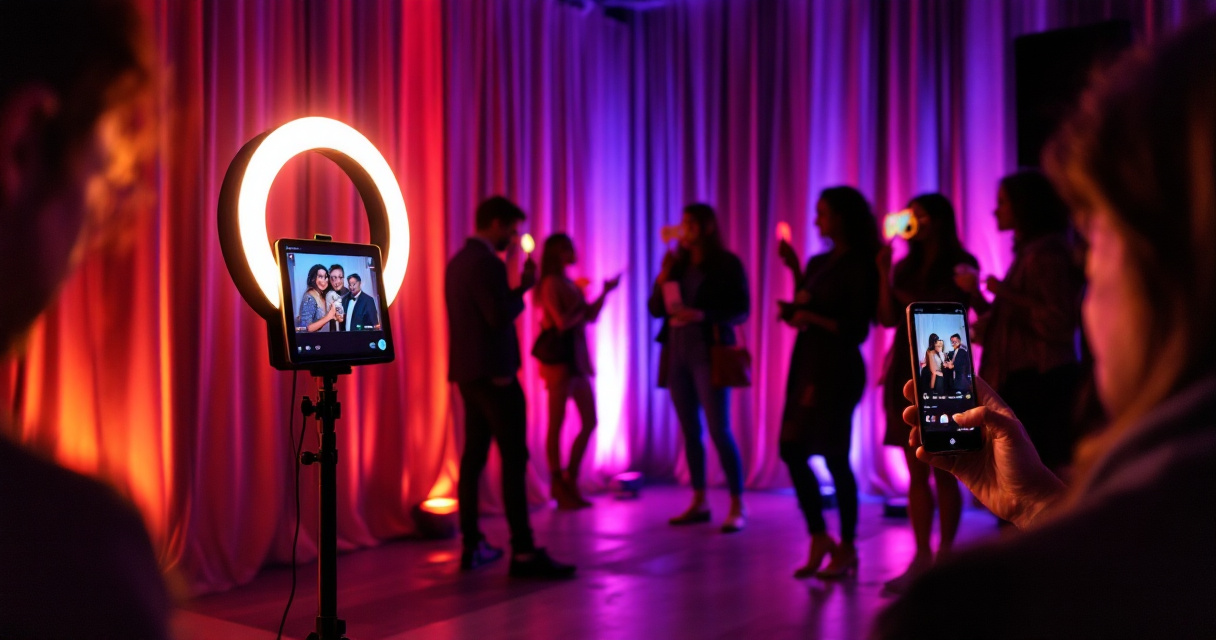
That shift means planners must think beyond traditional photography. Interactive content stations now play a major role in event coverage.
High-Impact Visual Experiences to Include
- Branded step-and-repeat photo walls
- Interactive photo stations
- Social media photo activations
- Live event photo galleries
- AI-powered photobooths
Interactive stations generate large volumes of attendee-generated content. Guests often share these images during the event, extending reach beyond the venue.
Example Engagement Content Plan
| Engagement Element | Visual Outcome | Marketing Value |
|---|---|---|
| Photo wall | Professional guest portraits | Social media sharing |
| Networking shots | Organic interactions | Authentic storytelling |
| Branded photobooth | Personalized images | Brand recall |
Experiential features like AI Photobooths in Events create branded photos automatically and allow guests to download or share them instantly. For planners, this adds both entertainment and marketing value without requiring extra staff.
Future Trends Shaping Event Photography in 2026 and Beyond
Event photography continues to evolve as technology and attendee expectations change. Planners who treat photography as part of the event experience rather than simple documentation often produce stronger results.
Emerging Technologies in Event Photography
- AI-assisted photo sorting and editing
- Instant content delivery platforms
- Interactive AI photobooths
- Drone photography for outdoor venues
Research reviewing drone applications in urban environments highlights how unmanned aerial vehicles increasingly support visual documentation and spatial analysis across industries. The same technology is expanding into event coverage for large outdoor festivals and corporate gatherings. UAV research review
What Event Planners Should Expect by 2027
- Instant AI editing and delivery during events
- Automated highlight galleries within hours
- Greater integration between event apps and photography
- More immersive photo experiences for attendees
The shift means planners will increasingly treat photography as a live content engine rather than a post-event deliverable.
Conclusion
Strong event photography rarely happens by accident. It requires planning, clear objectives, and a structured checklist that aligns photographers, planners, and marketing teams. By defining goals, building a shot list, coordinating logistics, and designing engaging photo experiences, planners can turn a single event into months of valuable visual content.
Interactive elements also make a measurable difference. Tools such as AI Photobooths in Events add guest engagement while producing branded images that extend your event's reach online. If your next conference, product launch, or corporate gathering needs high-quality visual coverage, start with this checklist and work with an experienced visual production partner to capture every moment that matters.
