

Visual storytelling for corporate events turns a one-day gathering into a clear brand narrative people can remember and reuse. In practice, that means planning photos, video, stage design, and attendee interactions as one story, not separate assets. For teams building that mix, AI Photobooths in Events can add branded, shareable participant content alongside classic coverage, and the wider Swiss Moments blog offers related planning ideas.
What visual storytelling means at a corporate event
Visual storytelling is the use of visual media to carry a narrative, and at corporate events that narrative should support a business goal. Wikipedia defines storytelling as a social and cultural activity of sharing stories, while a visual narrative is a story told primarily through visual media. That matters for conferences, launches, and galas because corporate entertainment events are built for staff, clients, or stakeholders, not just for decoration.
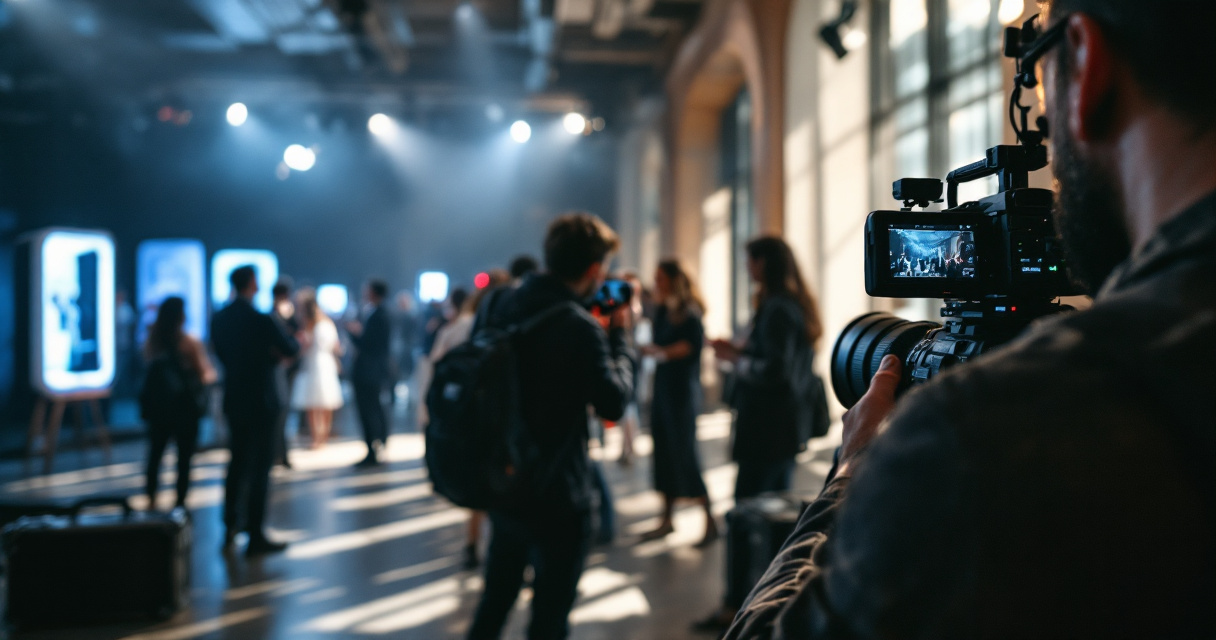
The best event visuals answer one question: What should people remember, feel, and do next?
The core building blocks
A practical event story usually has three layers:
- Message: the single idea your audience should leave with.
- Moments: keynote reactions, product reveals, networking, and branded details.
- Media: stills, short-form video, stage screens, and guest-generated content.
Story asset comparison
| Asset | Best use at events | Long-term value |
|---|---|---|
| Photography | Key moments, speakers, atmosphere | Press, social, sales decks |
| Videography | Motion, energy, testimonials | Recaps, campaigns, recruitment |
| Interactive visuals | Guest participation, branded fun | UGC, reach, memory |
If you need help choosing formats, photography vs videography for corporate events breaks down where each format fits.
How to design a story arc attendees and stakeholders actually follow
A strong event narrative starts before doors open and continues after the last guest leaves. Many teams under-plan this part, then end up with attractive assets that don't connect. A better method is to map visuals to the attendee timeline: anticipation, arrival, participation, climax, and follow-up.
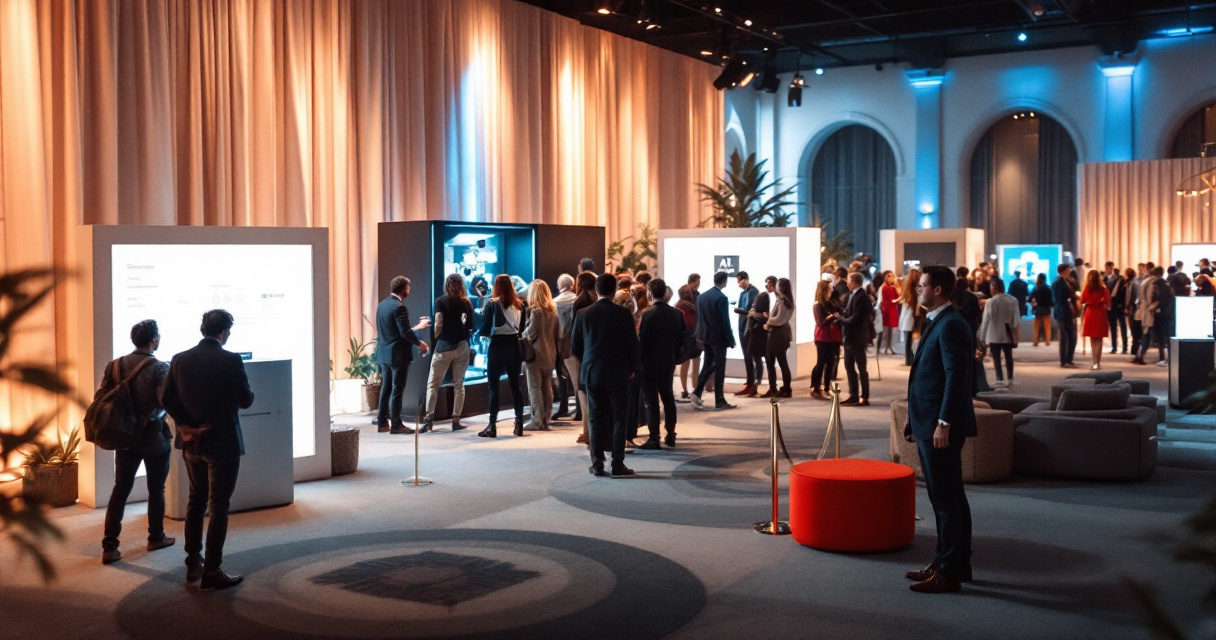
Research on emerging digital environments, including a 2022 review in IEEE Access, highlights how immersive and interactive layers shape user experience. For events in 2026, that supports using participatory formats, not just passive screens.
A simple narrative framework
Use this sequence when briefing your creative team:
- Before the event: teaser visuals, speaker portraits, countdown content
- During arrival: signage, entrance shots, welcome interactions
- During the program: speaker close-ups, audience response, product demos
- During networking: candid relationship moments and brand touchpoints
- Afterward: recap edits, highlight galleries, short clips for sales and HR
Interactive stations can strengthen the participation phase. With AI Photobooths in Events, guests create branded images that feel personal while still fitting the event theme. Pair that with planned capture from a behind-the-scenes corporate event shoot and a clear event videography strategy so every angle supports the same message.
How to measure visual impact and improve your 2026 event content mix
Measuring visual storytelling means tracking business use, not just counting pretty images. Competitors often stop at creative tips, but corporate teams need evidence that assets support marketing, communications, or employer branding. Your review should cover both immediate engagement and post-event reuse.
A 2023 systematic review in Environmental Science and Ecotechnology examined AI-driven systems in complex environments, reinforcing a wider 2026 reality: data-backed content planning is becoming standard across experience design. Event teams should act the same way.
Metrics that matter after the event
Track results in three buckets:
| Metric type | What to review | Why it matters |
|---|---|---|
| Engagement | Shares, saves, booth participation, clip views | Shows audience response |
| Reuse | Sales decks, recruitment pages, PR, internal comms | Proves content lifespan |
| Brand fit | Visual consistency, message recall, stakeholder feedback | Shows strategic quality |
For stronger reuse, study corporate video content for marketing and corporate event photography in Switzerland. AI Photobooths in Events also works best when its outputs are folded into your wider gallery, recap, and social plan, not treated as a novelty add-on. More planning ideas are available on swissmoments.ch.
Conclusion
Visual storytelling for corporate events works when every visual asset supports one business narrative from invite to recap. Start by defining your message, choosing the right formats, and deciding how you'll measure reuse before the event begins. If you want branded guest participation added to that mix, visit swissmoments.ch and build your content plan around moments people will actually share.
