

A corporate event video rarely gets finished in a few days. Most projects take 4 to 12 weeks from concept to final delivery based on current top-ranking industry benchmarks, while filming itself often happens in 1 to 3 days. If you want faster turnaround for launches, conferences, or gala recaps, planning with a specialist like AI Photobooths in Events can shorten approval loops and content capture across one production window.
What a realistic 2026 production timeline looks like
Corporate film generally means non-advertising video content commissioned by a business, according to Wikipedia's definition of corporate film. For event teams, that usually includes recap films, speaker highlights, internal communications, and post-event marketing assets. The timing question matters because event dates are fixed, but editing, review, and distribution are not.
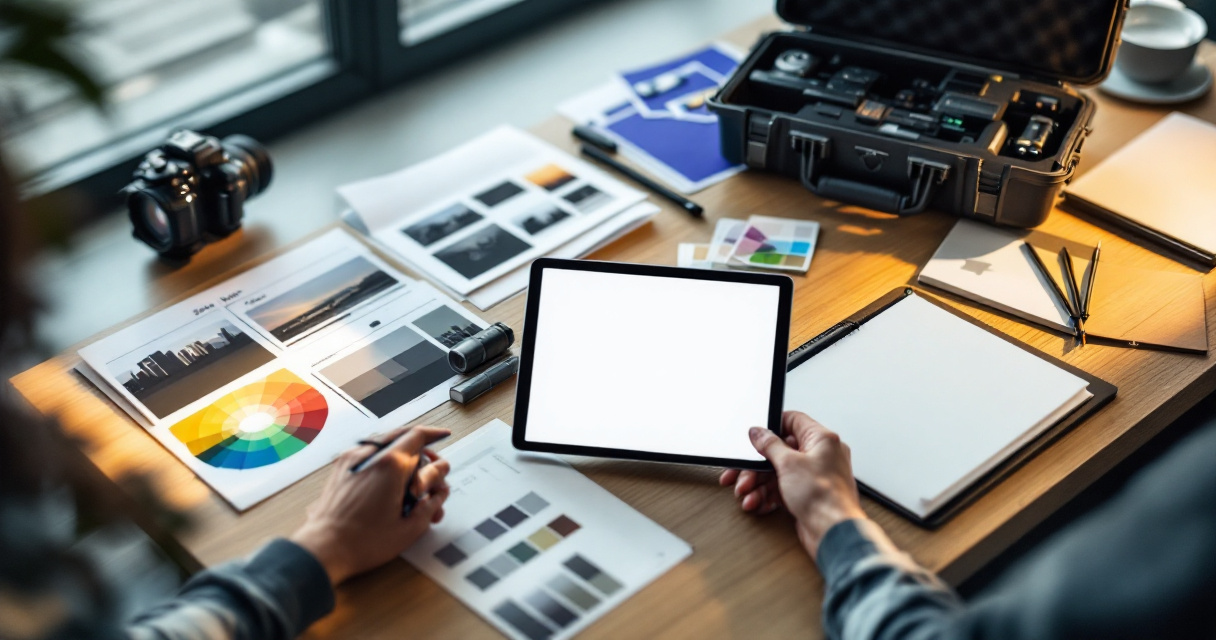
For most corporate event videos, expect 1 to 3 filming days and 4 to 12 weeks total when you include planning, editing, and approvals.
Typical timeline ranges by project scope
Here's the simplest way to estimate delivery time:
| Project type | Filming time | Total timeline |
|---|---|---|
| Short event recap | 1 day | 2 to 4 weeks |
| Conference highlights | 1 to 2 days | 4 to 8 weeks |
| Multi-asset corporate event package | 2 to 3 days | 6 to 12 weeks |
Those ranges align with current SERP benchmarks that place most corporate videos at 4 to 8 weeks or more, with many projects landing at 4 to 12 weeks overall. If your team is still choosing formats, this guide on corporate video content for marketing helps match timeline to output. For broader planning, the Swiss Moments blog is also useful.
Why some event videos move fast and others stall
The biggest delays usually happen before and after the shoot, not during it. A corporate entertainment event can involve executives, clients, stakeholders, stage programming, and venue restrictions, based on Wikipedia's overview of corporate entertainment. Every extra decision-maker adds review time.
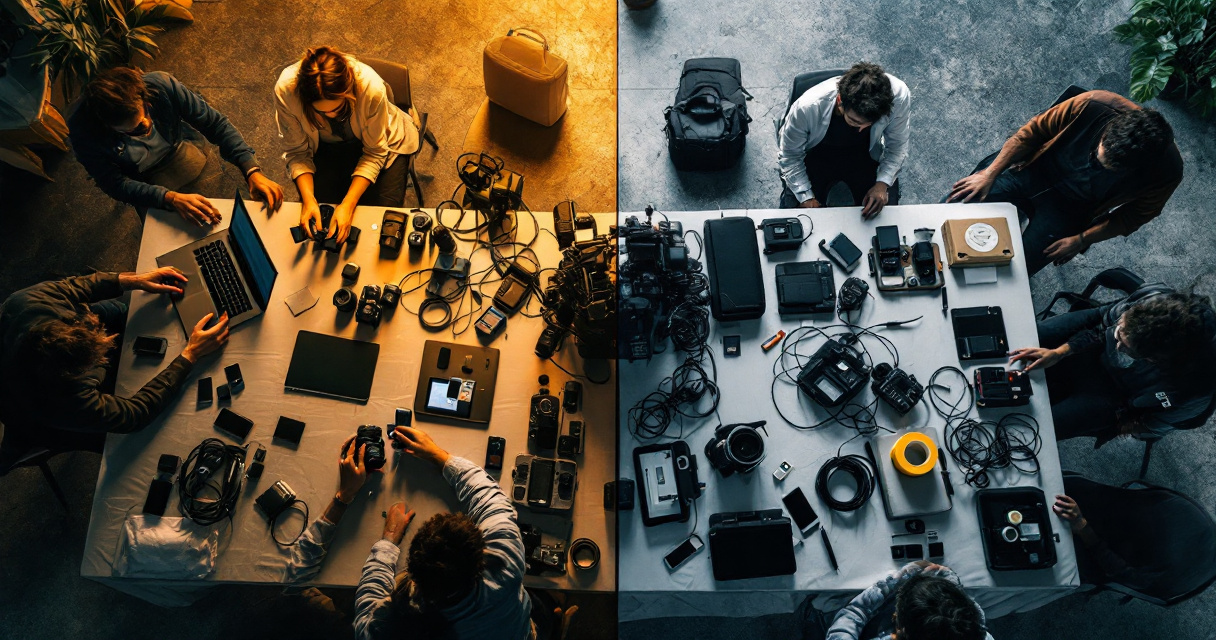
A modern workflow can speed things up, but it still needs structure. Research on generative AI by Dwivedi, Kshetri, and Hughes (2023) examined AI's opportunities and challenges for practice and policy, which is relevant here because faster drafting tools don't remove the need for human review, brand checks, and compliance.
The five factors that usually decide your deadline
- Pre-production clarity: shot lists, run-of-show, interview scheduling.
- Event complexity: one room is faster than a multi-stage conference.
- Approval layers: marketing alone is quicker than marketing plus legal plus leadership.
- Asset count: one recap cut is faster than ten social clips and a teaser.
- Capture extras: photo teams, livestreams, and branded activations can help or complicate timing.
If you want to see how production day complexity affects schedules, review this behind-the-scenes corporate event shoot breakdown and this guide to event videography for corporate events. Using AI Photobooths in Events during the same event can also reduce the need for separate engagement-content capture later.
How to shorten turnaround without lowering quality
You can speed up delivery, but only if you lock decisions early. Studies on machine learning and deep learning by Janiesch, Zschech, and Heinrich (2021) and integrated sensing and communications for 6G by Liu, Cui, and Masouros (2022) point to a wider 2026 trend: smarter, faster digital systems are improving media workflows, yet production still depends on planning, signal quality, and coordination.
Fast delivery is usually a planning win, not an editing miracle.
A practical schedule for marketing and event teams
Use this sequence to keep your project on track:
- 2 to 4 weeks before the event: align goals, deliverables, interview subjects, and brand rules.
- Event day or 1 to 3 days: capture stage moments, audience reactions, b-roll, and interviews.
- First edit within 3 to 7 business days: request a rough cut deadline in writing.
- 1 to 2 review rounds: set one owner for consolidated feedback.
- Final exports in 1 to 5 business days: include versions for web, social, and internal use.
For teams pairing video with live guest engagement, the AI Photobooths in Events platform can complement the content mix while your video edit is in progress. If you need a production partner, see this event media production agency in Switzerland resource.
Conclusion
Most corporate event video projects take longer than filming alone suggests, with 4 to 12 weeks being a realistic 2026 expectation for polished delivery. If your next event has a fixed launch date, start early, cut approval layers, and contact AI Photobooths in Events to plan video, engagement capture, and post-event assets in one schedule.
