
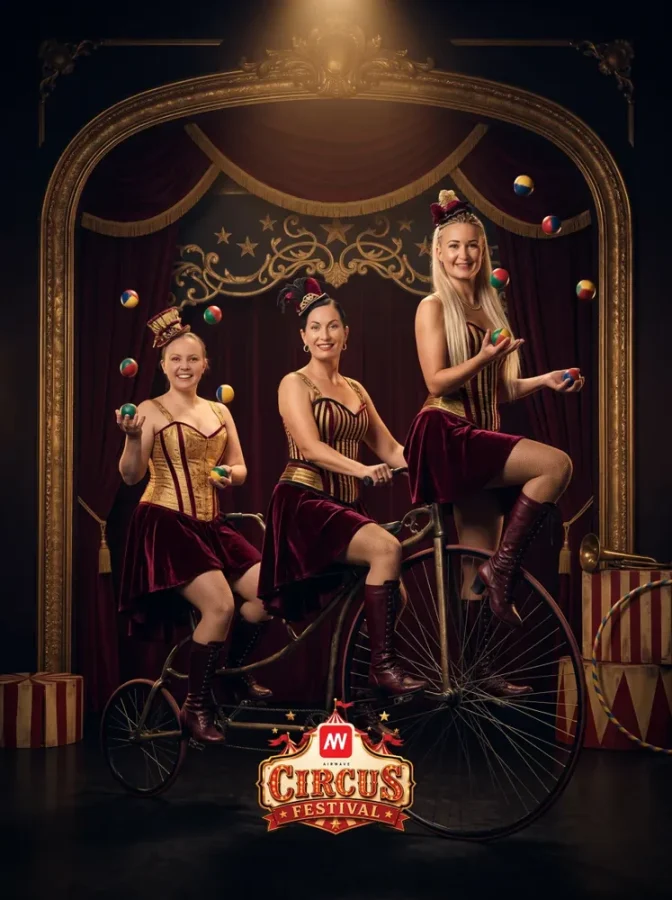

A single event photo can travel further than the event itself. Corporate launches, conferences, and branded experiences generate hundreds of visual moments, and the brands that capture them well gain marketing assets that last long after the event ends. Event photography, defined as the practice of photographing guests and occurrences during organized occasions such as conferences, corporate gatherings, or celebrations, turns temporary experiences into lasting brand material. According to the definition of photography as the practice of creating images by recording light through sensors or light-sensitive materials, visual documentation has always played a role in storytelling. For modern brands, that storytelling now shapes perception, credibility, and online visibility. Agencies such as AI Photobooths in Events extend this concept by combining professional photography with interactive visual experiences that encourage guests to create branded content in real time.
Why Event Photography Has Become a Core Branding Asset
Brand perception is built through visuals long before someone reads a press release or marketing page. Corporate events provide rare opportunities to capture real interactions between a brand, its team, and its audience.
Professional event photography captures emotion, atmosphere, and brand identity at the same time. These elements are difficult to recreate in staged campaigns. A crowded product launch, engaged audience at a keynote, or networking conversations between partners all signal credibility to viewers who were not present.
Brands that treat event photography as a strategic asset gain marketing content that can be reused across websites, social channels, investor decks, and internal communications.
Key Branding Benefits of Professional Event Photography
- Authenticity: Real people interacting with your brand builds trust.
- Visual storytelling: A sequence of images can communicate a brand experience better than text.
- Consistent brand presence: Logos, signage, and product displays reinforce identity.
- Content longevity: Images remain useful months or even years after the event.
- Media readiness: Press coverage and PR teams often need strong visuals immediately.
Event photography turns short-lived experiences into long-term marketing material that strengthens brand credibility.
How Interactive Photo Experiences Amplify Brand Reach
Traditional event photography documents moments. Interactive formats expand them. Using tools such as AI Photobooths in Events during corporate activations encourages attendees to actively create branded images they want to share.
When guests take photos with branded overlays, backgrounds, or AI-generated visual themes, those images often spread organically through social media. The event effectively becomes a content engine instead of a single-day experience.
Companies using services like the AI Photobooths in Events platform also gain immediate branded content that participants distribute themselves, increasing reach without additional advertising.
Turning Event Moments Into a Consistent Brand Story
A common mistake in corporate event coverage is capturing isolated photos without a narrative structure. Branding works best when the images tell a clear story from start to finish.
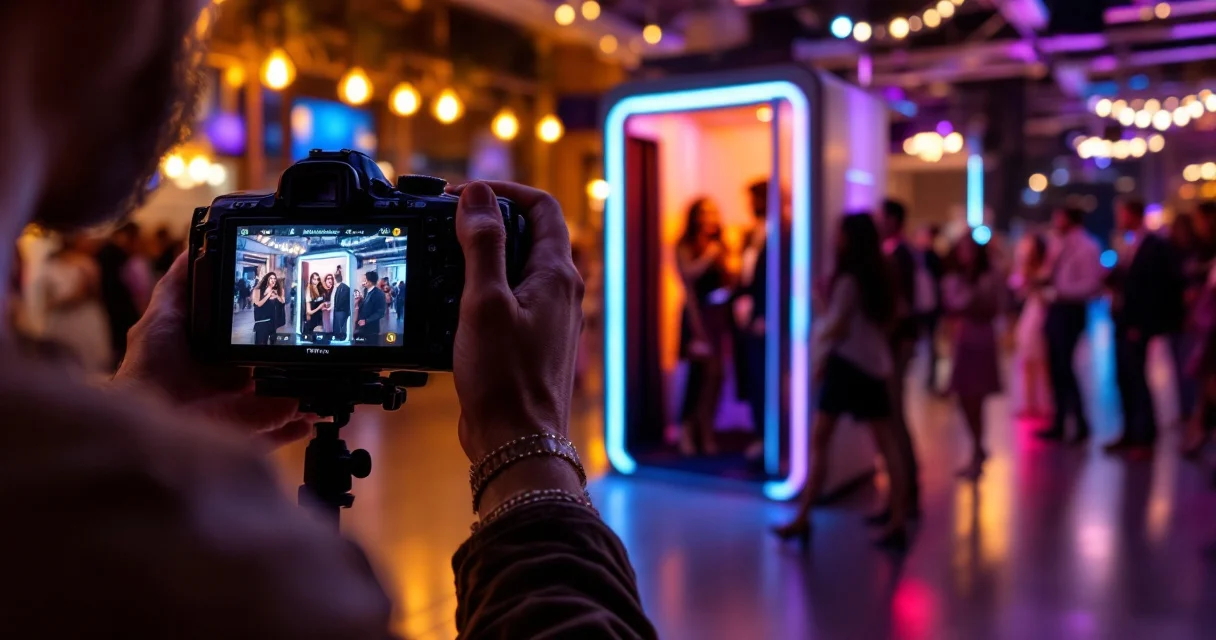
Event photography becomes more powerful when photographers document the event like a visual timeline. This approach helps marketing teams repurpose the photos for multiple channels after the event.
Essential Visual Moments Every Brand Should Capture
- Pre-event setup showing branded environments, signage, and staging.
- Guest arrivals and networking that demonstrate audience engagement.
- Key presentations or product reveals highlighting thought leadership.
- Interactive experiences such as demonstrations or branded photo activations.
- Closing moments and celebrations that reinforce positive brand emotion.
These stages create a full narrative that marketing teams can later transform into recap articles, social media posts, or promotional case studies.
How Sequenced Images Strengthen Brand Memory
Humans remember stories more easily than isolated images. When event photography captures progression, anticipation before a keynote, reactions during a launch, conversations afterward, viewers experience the brand narrative even if they were not present.
This approach also supports multiple marketing outputs:
- Event recap pages
- LinkedIn and social media storytelling
- Press announcements
- Sponsor reports
- Recruitment branding
Many organizations now pair structured event photography with interactive experiences such as AI Photobooths in Events, ensuring both candid storytelling and shareable branded visuals are captured during the same event.
Post-Event Marketing: The Real ROI of Event Photography
The marketing value of event photography often appears after the venue closes. Images from a well-covered event feed weeks or months of marketing activity.
Without professional visual coverage, marketing teams often rely on stock photos or generic graphics. Those rarely convey the scale or energy of a real corporate event.
Where Brands Use Event Photography After the Event
- Website case studies and event recap pages
- Social media content calendars
- Press releases and media outreach
- Sales presentations and sponsorship reports
- Employer branding and recruitment marketing
A well-documented conference or product launch can produce dozens of reusable images. Many companies distribute them across marketing channels for months after the event.
Content Value Timeline for Event Photos
How Event Photos Continue Generating Marketing Value
| Time After Event | How Photos Are Used | Branding Impact |
|---|---|---|
| Same day | Social media highlights and press coverage | Immediate audience engagement |
| 1–2 weeks | Blog posts, recap articles, LinkedIn content | Extended event visibility |
| 1–3 months | Sales decks, case studies, marketing campaigns | Reinforces credibility |
| Long term | Website imagery and brand archives | Consistent visual identity |
Professional coverage turns one event into a long stream of marketing assets. Companies investing in dedicated event visual production often see stronger continuity across campaigns.
Designing Event Photography Around Brand Identity
Effective event photography starts long before the photographer arrives. Planning visuals around brand identity ensures the final images align with the company's messaging and aesthetic.

Brand-driven photography requires collaboration between event planners, marketing teams, and photographers.
Visual Elements That Reinforce Branding in Photos
- Stage design and signage featuring consistent brand colors
- Lighting choices that match the brand atmosphere
- Branded backdrops or installations used in networking areas
- Product displays positioned for clear visibility
- Digital activations such as interactive photo booths
These details help every photo communicate brand identity without additional editing or graphic overlays.
Using Interactive Installations to Increase Branded Content
Interactive photography stations have become common in corporate events because they combine entertainment with marketing value. Guests participate voluntarily, creating images that already include the brand identity.
Solutions such as AI Photobooths in Events allow companies to generate stylized photos, AI-enhanced portraits, or themed visuals aligned with campaign concepts. The result is a larger volume of shareable images that still maintain professional brand quality.
For event planners working with visual production teams like Swiss Moments event media services, these installations also simplify post-event content collection. Every interaction produces usable branded media.
Event Photography Trends Brands Should Watch Beyond 2026
Event photography is evolving quickly as marketing teams demand faster content delivery and more interactive experiences. Corporate brands increasingly expect visual production to integrate with digital marketing strategies in real time.
Emerging Directions in Event Visual Content
- AI-assisted image generation and enhancements during live events
- Instant content distribution for social media teams onsite
- Hybrid photo and video coverage designed for short-form platforms
- Immersive photo activations that merge physical and digital experiences
Research exploring digital environments such as virtual worlds also points toward increasing interaction between physical and digital spaces, including immersive experiences that mix media formats (Frontiers in Psychology, 2022).
Why Real Event Imagery Will Still Matter
Even with AI tools expanding creative possibilities, authentic photos from real events remain powerful marketing assets. Audiences recognize genuine interactions more easily than staged visuals.
The brands that combine professional photography with interactive technologies will produce the most engaging event content in the coming years.
Corporate marketing teams increasingly view event photography not as documentation but as a central component of brand storytelling.
Conclusion
Event photography sits at the intersection of branding, storytelling, and marketing. When executed strategically, it captures the emotion, scale, and credibility of live brand experiences while producing months of usable visual content.
Corporate teams planning conferences, launches, or brand activations should treat photography as part of their marketing strategy, not just event documentation. Planning visual storytelling, designing branded environments, and integrating interactive experiences can dramatically expand the value of each event.
For organizations that want both professional coverage and engaging guest experiences, solutions like AI Photobooths in Events offer a practical way to turn attendees into brand content creators while building a rich library of event imagery. If your next corporate event aims to strengthen brand perception, start by designing how it will be photographed and shared.
Generated by EarlySEO.com
